GrapheneOS port for Pixel 11 is nearly done with promising performance
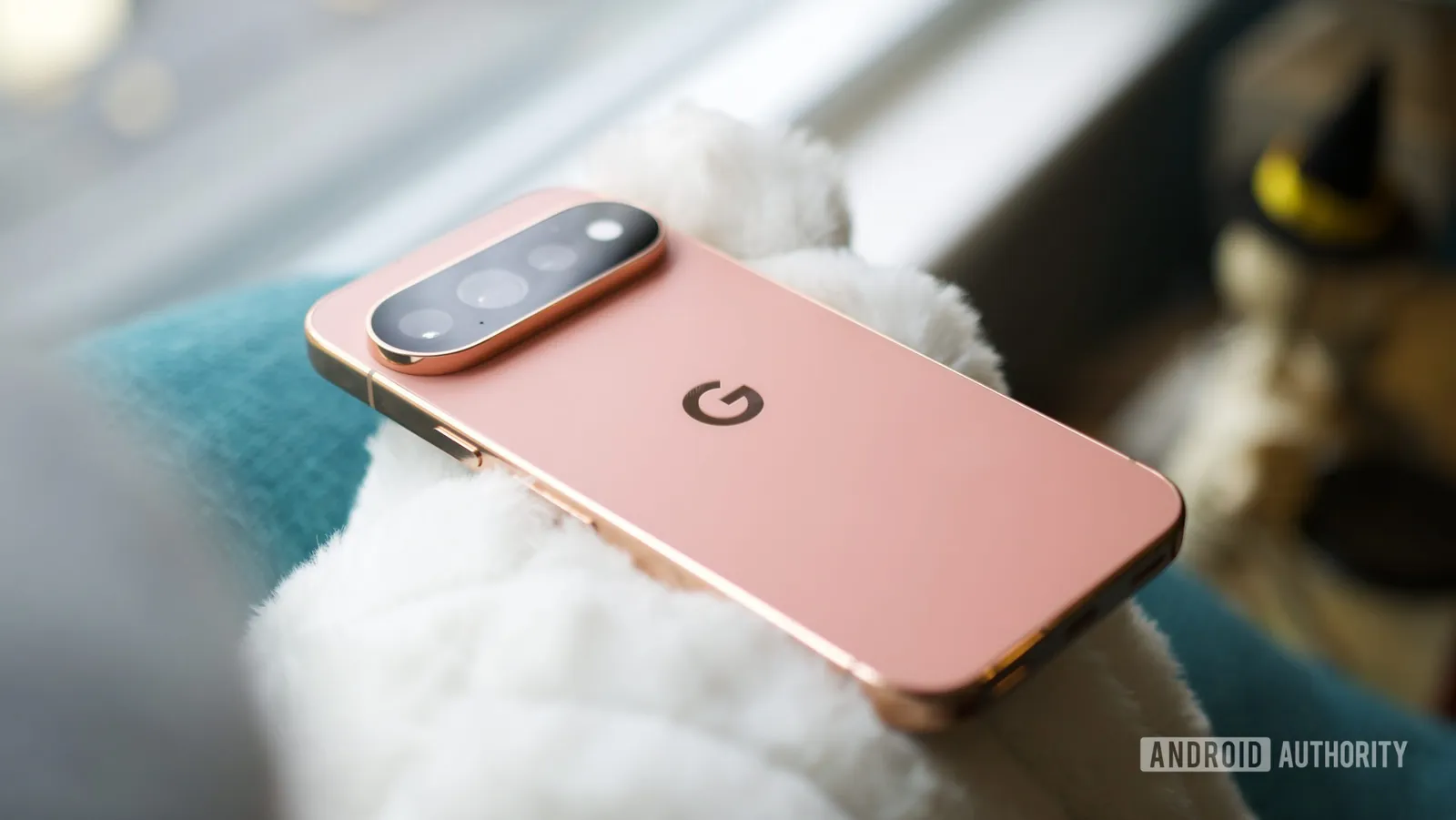
The GrapheneOS team says its port for Pixel 11 phones is almost complete, with Memory Tagging Extensions support arriving via Android 17 QPR2 and performance described as more than good enough.
Key takeaways
- GrapheneOS support for Pixel 11 phones is almost complete, with no specific release date yet.
- Pixel 11 support will follow the Motorola Signature 27 port and the finished Android 17 QPR2 build.
- MTE support, the reason for the initial delay, arrives with Android 17 QPR2.
- The team says MTE performance overhead on Pixel 11 is similar to other Pixels and more than good enough.
In this article
Port is close to finished
The team behind GrapheneOS, a privacy and security focused version of Android, has confirmed that support for Pixel 11 phones is almost complete. According to Android Authority, the group announced on social media that the port is nearly finished, though no specific release date has been given.
The team says Pixel 11 support will be added soon after two steps are done: the Motorola Signature 27 receives GrapheneOS, and the GrapheneOS build based on Android 17 QPR2 is completed. There is no firm timing beyond that.
Why the port was delayed
GrapheneOS initially missed the Pixel 11 series because those phones lacked support for Memory Tagging Extensions, or MTE. This is a hardware and software security feature that helps stop memory bugs, a common class of vulnerability, but enabling it usually costs some performance.
That gap is closing. MTE is arriving on Pixel 11 devices with Android 17 QPR2, and the GrapheneOS team confirmed that its Android 17 QPR2 build supports the feature. This clears the main obstacle that had kept the latest Pixels off the list of supported devices.
Performance looks acceptable
A common worry with MTE is the speed penalty it imposes. The GrapheneOS team told Android Authority that performance on Pixel 11 phones is acceptable and more than good enough, with MTE overhead similar to what has been seen on other Pixel devices.
The team does note that performance will be considerably better on the Motorola Signature 27. That phone has a more powerful processor, and Motorola works with GrapheneOS in an official partnership.
Why it matters
GrapheneOS is widely regarded as a strong choice for people who prioritise security and privacy on Android. Until the Motorola partnership, Pixels were the only phones officially supported by the project, so losing that support on the newest Pixel range would have been a significant blow.
Pixel 11 owners and prospective buyers who want a hardened Android alternative should watch for the official release announcement from the GrapheneOS team, as that will confirm timing and supported devices.
Sources
Spotted a mistake? See our corrections policy. Read how News by OnDevice works in our editorial policy.
Related news
More Android news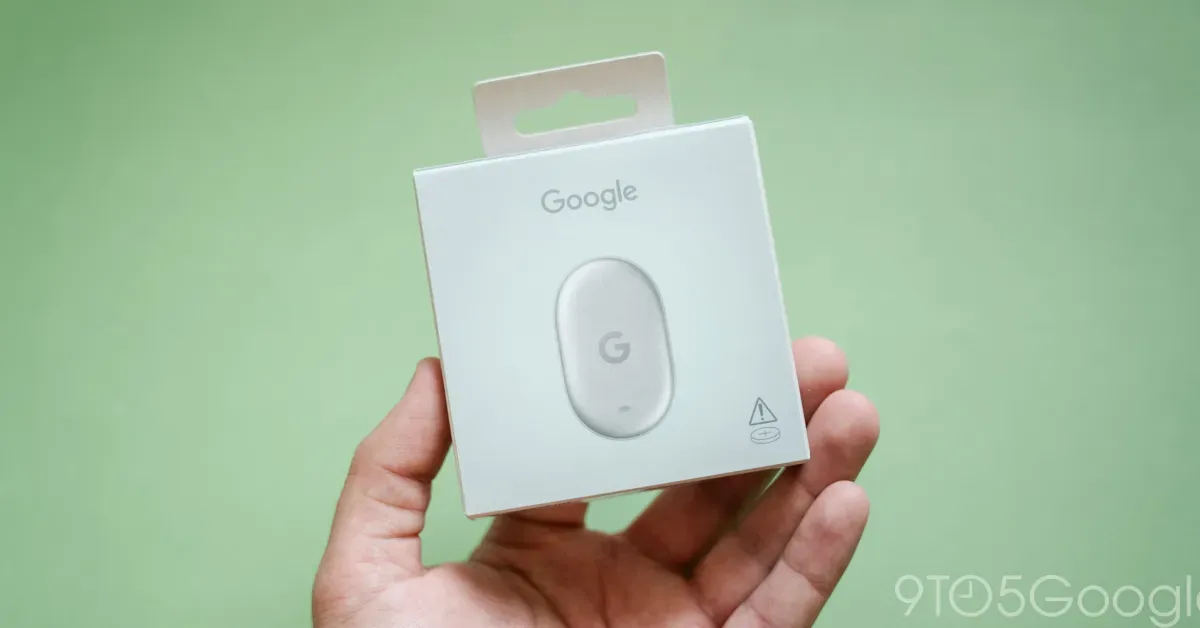
Google Pixel Tag launches in just 8 countries, leaving out Europe
Google has confirmed the Pixel Tag tracker will be sold in only eight countries at launch, far fewer than its Pixel 11 phones and Pixel Watch 5. Most of Europe is excluded, with the UK the only regional exception.
Pixel Journal update adds audio recording and zip export
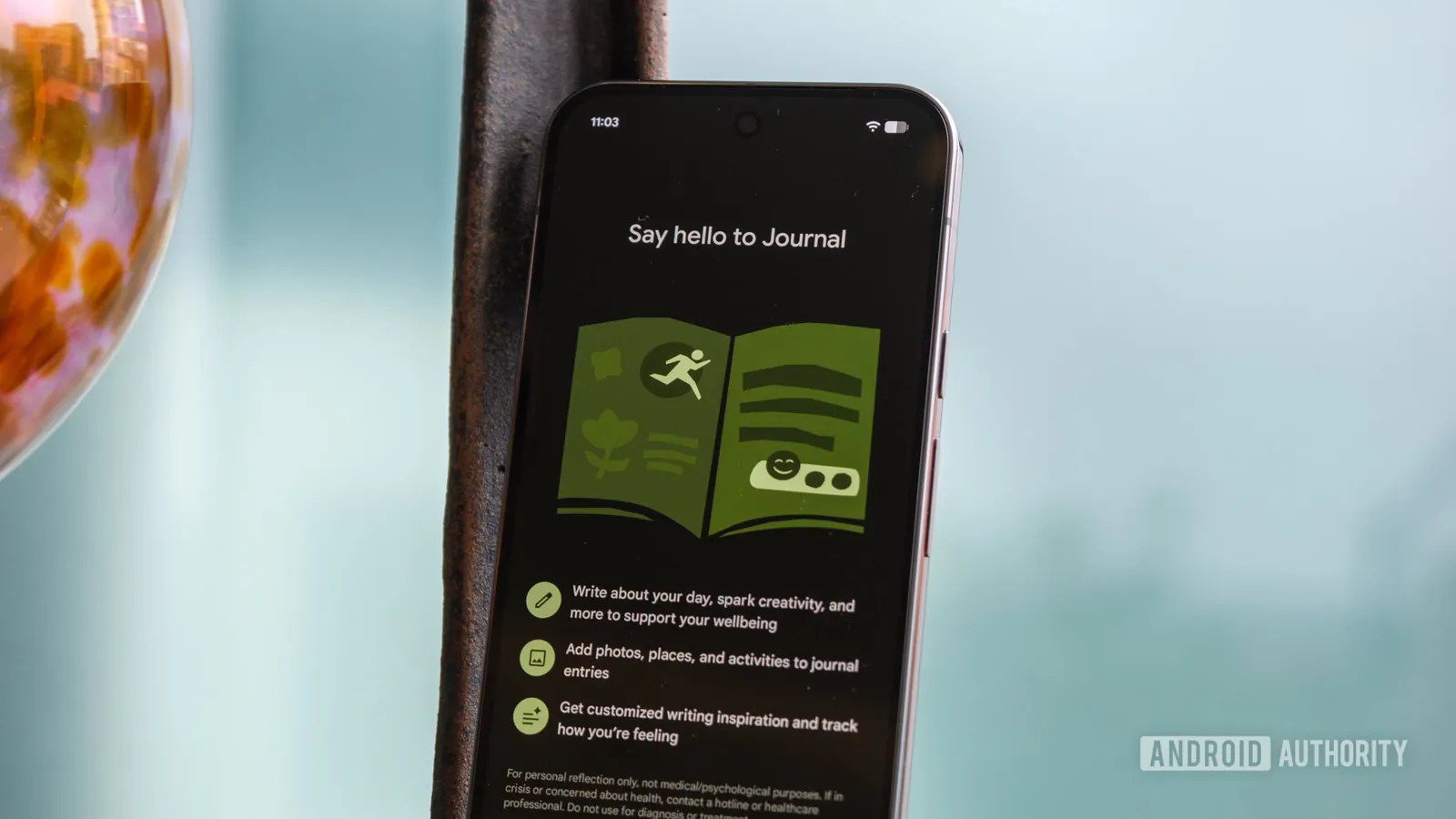
The Pixel Journal app now shows a Record new audio option tied to Google Recorder, though it does not work yet, and adds an HTML backup export in a zip file.
Blue Phone brings an app-spanning AI assistant to the Pixel 10 Pro
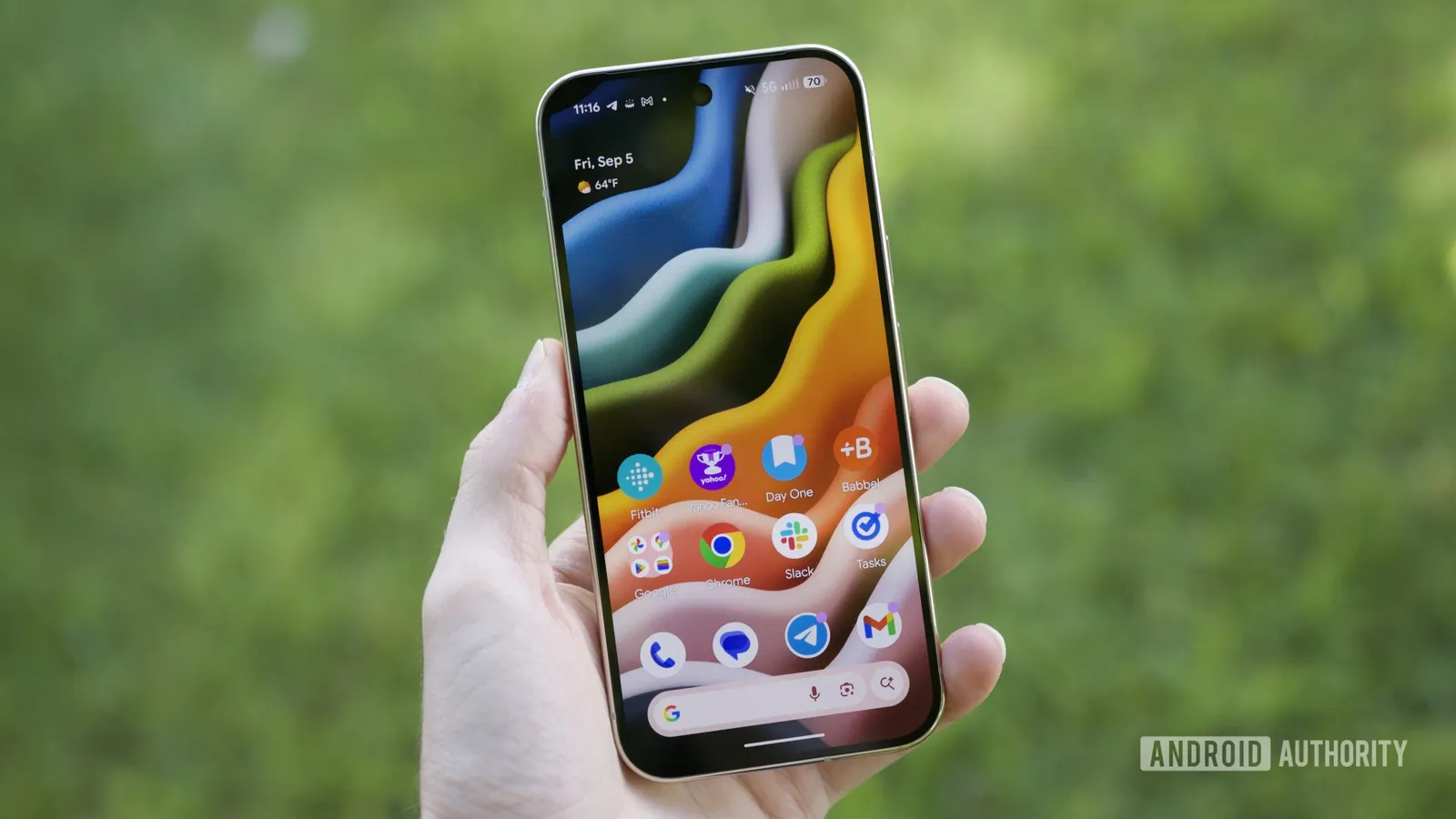
Y Combinator-backed startup Blue has opened a public beta of Blue Phone, a $1,299 Pixel 10 Pro and Pro XL running Blue OS, a customized Android build with an assistant that works across apps. The company also plans its own handset in 2027.
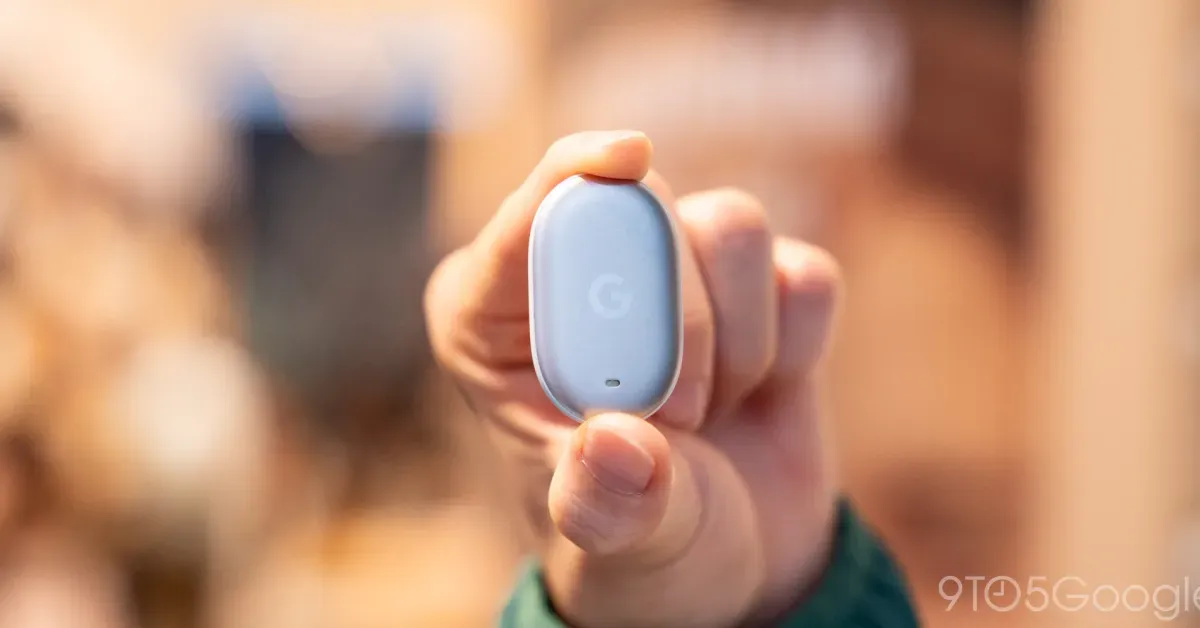
Pixel Tag goes on sale for $29.99 with Bellroy and Spigen cases
Google's Find Hub tracker is now available from the Google Store and Amazon, with a four-pack offered at a discount and four Made for Google accessories alongside it.