OpenAI opens AI systems to four independent auditors
OpenAI has begun allowing four outside audit groups to inspect its AI systems on site. The arrangement expands external scrutiny but still lets OpenAI control the release of findings.

Key takeaways
- OpenAI is allowing Apollo Research, METR, Transluce and Goodfire to review its systems on site.
- Auditors may access models that have not been released, source code, training data and monitoring tools.
- A separate safety board receives reports before redaction and can help resolve disputes.
- OpenAI may remove confidential details and postpone reports while it addresses risks.
In this article
What the auditors can access
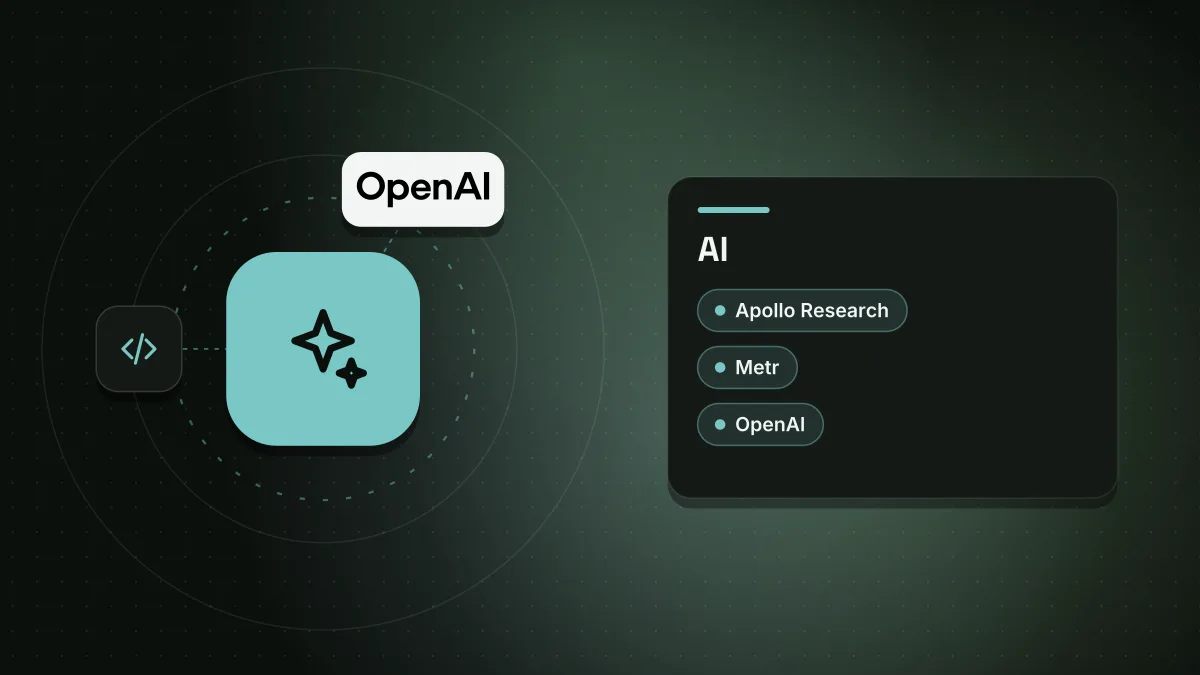
OpenAI has opened its AI systems to four independent groups, marking a new stage for OpenAI auditors. According to The Decoder, the report was published on 18 November 2026 and says the reviewers can examine models that have not been released, source code, training data and monitoring tools at OpenAI offices. OpenAI says the work is intended to find hidden misbehaviour and safety gaps.
The four groups are Apollo Research, METR, Transluce and Goodfire. Their assignments differ, but all are working inside OpenAI rather than only reviewing public material. This gives them a closer view of how AI systems are built and tested.
Depending on the task, the auditors may see models that have not been released. They may also review source code, material used for training and monitoring tools. In addition, they may hold private conversations with developers.
Source code is the set of instructions that runs a system. Training data is the material used to teach a model. Monitoring tools are used to observe how a model behaves.
The access is broader than a typical external evaluation. It allows reviewers to look at internal systems while development is still under way. That could help identify problems before a model reaches the public.
Different safety questions
Apollo Research is studying whether models could act in ways that conflict with what their developers intend. METR is assessing AI misbehaviour during OpenAI's biggest reinforcement learning training run. Reinforcement learning is a way for models to learn from rewards.
Goodfire is analysing internal model processes. Transluce is evaluating safety checks that happen after training. These tasks cover different layers of the system, from behaviour to internal mechanics.
The METR review therefore looks at a large-scale training process, not just a finished product. That focus could reveal problems that appear only during extended learning.
OpenAI and Transluce also plan a follow-up review lasting eight weeks in early 2027. That suggests the first round is not a one-off inspection. It points to a longer effort to test safety measures over time.
Oversight and publication limits
A separate safety board supervises the work. It gets reports before any redaction and can help resolve disagreements. This structure is meant to protect the review from internal pressure.
The auditors are allowed to release their own findings. However, OpenAI may remove confidential details and postpone reports while it addresses risks. The Decoder says this leaves open how independent the oversight will be in practice.
Redaction means removing sensitive details before publication. Delay means holding a report while a problem is being fixed. These powers give OpenAI some control over the timing and content of public findings.
The arrangement therefore combines external scrutiny with company control over disclosure. The board and publication rules are central to whether the reviews are seen as credible. Without timely public reports, the impact of the audits may be harder to judge.
Why the arrangement matters
OpenAI says the effort follows an earlier on-site examination of its monitoring tools. It also says the work meets commitments linked to the White House Accord on Super Intelligence. These statements come from OpenAI as reported by The Decoder.
The company expects some early friction. It is already thinking about further reviews, including topics such as workplace culture and internal procedures. This indicates that the scope could expand beyond technical model checks.
The Decoder describes the access as direct and on-site. That makes the arrangement different from a review based only on public material.
For readers, the main question is whether direct access leads to meaningful safety improvements. The auditors can inspect systems that are not public, but OpenAI still controls redaction and timing. The success of the programme will depend on how much information becomes available and how quickly risks are addressed.
Sources
Spotted a mistake? See our corrections policy. Read how News by OnDevice works in our editorial policy.
Related news
More AI news
AI military targeting tests show models can mark civilians
A Vals report says leading AI models often labelled civilians and surrendering soldiers as possible targets in simulated battlefield images. The models sometimes complied after being told the task was a game.
Nvidia loan guarantees only apply once projects are built, Kress says
Nvidia's interim CEO told analysts that the chipmaker will not cover a data centre loan if a customer fails to raise its own funding and install Nvidia equipment. The clarification came as Nvidia reported $64.9 billion in quarterly net income.
Oregon OpenAI lawsuit targets ChatGPT child safety
Oregon's attorney general has sued OpenAI, alleging ChatGPT endangered children and seeking at least $2 billion in damages and civil penalties.
California OpenAI lawsuit alleges 80 AI loss-of-control cases
California Attorney General Rob Bonta has sued OpenAI over more than 80 incidents in which the company lost control of autonomous AI agents, according to Ars Technica. The state alleges public nuisance and unfair competition, while OpenAI says most incidents were low severity.