GPS sport watches: DC Rainmaker's winter 2026-2027 guide
The guide covers every model released so far and draws on hundreds of comparison sessions. It also sets out four questions that narrow the field before a purchase.

Key takeaways
- DC Rainmaker's winter 2026-2027 guide covers every GPS watch model released so far, the site says.
- The author says a need for long battery life rules out Apple, Google and Samsung watches.
- An Apple Watch requires an iPhone, while Samsung and Google watches require an Android phone.
- Garmin keeps triathlon and multisport modes for mid-tier models and above, according to the author.
In this article
What the guide covers
DC Rainmaker has published a new recommendation guide for GPS sport watches, timed for the winter 2026-2027 shopping season. The post went up on 26 November 2026, according to the site.
The author says the guide takes in every model released to date, including two that arrived two days before publication. It draws on hundreds of comparison sessions and workouts run this year, and on more than 17 years of testing GPS watches.
Scepticism about rival guides
Much of the post is a critique of other buying guides. The author argues that many are produced by AI, or by people who have never worn the devices, and that they lean on spec sheets and popular names to attract clicks. A guide with no real-world, non-marketing photos is, in his view, a strong sign of weak output.
He also says most guides avoid upsetting manufacturers. His own list, he writes, will not please every brand, and not every company will appear. Garmin and Apple turn up in every category, he adds, because of their scale: Apple makes the most smartwatches in the world, and Garmin makes the most models, which he puts at 2,328 by his own joking count. Apple's line runs to three models.
Battery life narrows the field
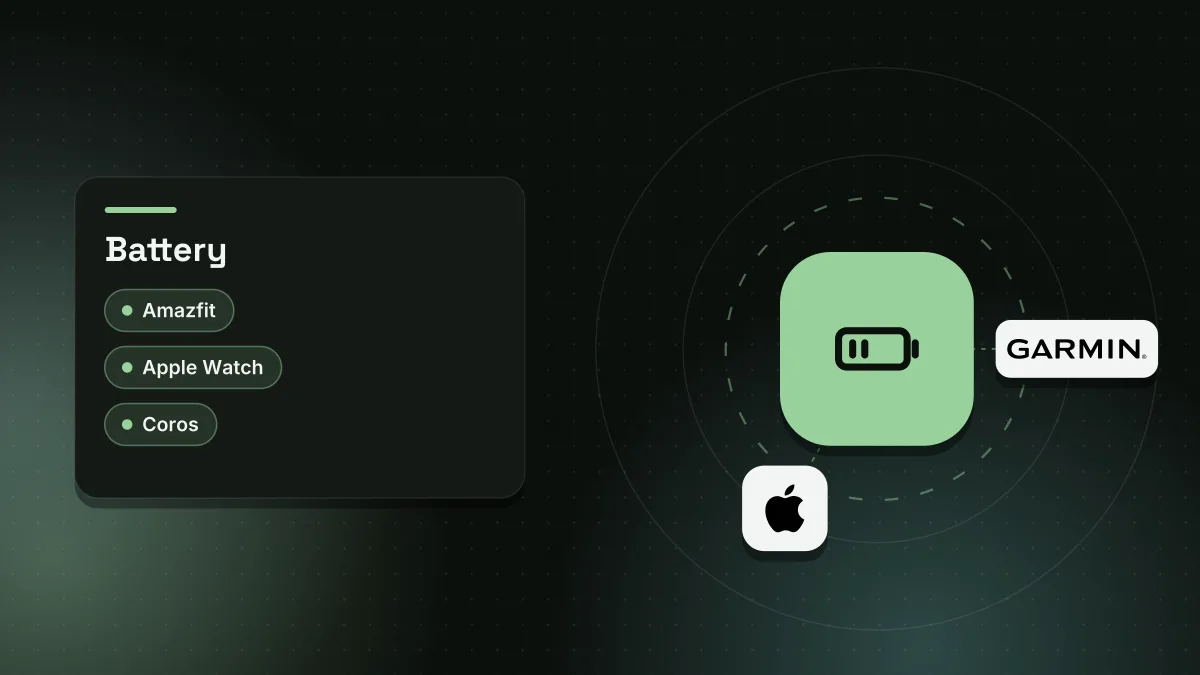
The first question in the guide concerns battery. Buyers who want four or more days of use on the wrist, or 20 or more hours of GPS tracking, are advised to look past Apple, Google and Samsung. That points instead to Garmin, Suunto, Amazfit and COROS.
The second question is what kind of smartwatch is wanted. The author says the Apple Watch handles everyday smart features best, while Garmin does more for sport. Phone calls are the dividing line for many people. Apple, Google and Samsung watches can take calls from anyone. Garmin's LTE models, which use a mobile network connection, accept calls from friends and family but not from unknown numbers. The remaining watches need the phone close by.
Ecosystems and sport modes
Staying inside one company's ecosystem is the third test. An Apple Watch needs an iPhone, and Samsung or Google watches need an Android phone. Anyone already using a Garmin Edge bike computer is advised to stay with Garmin, unless a smarter smartwatch matters more. The other brands work with both phone systems.
The fourth point is that sport modes are no longer a reason to pick one watch over another. The author says nearly all models now cover nearly all activities. High-impact watersports such as waterskiing and surfing are kept for watches with higher waterproof ratings, because of the pressure of impact. Garmin, he says, still limits triathlon and multisport modes to mid-tier models and above.
Why the market favours buyers
The author's broader claim is that competition has never been better for shoppers. Apple and Garmin have grown, but smaller names such as COROS and Amazfit have found room between the big firms' release schedules and offer strong value. All of them, he says, push each other with deep and frequent firmware updates, meaning software improvements sent to watches after purchase, including for older models.
His summary is that Apple leads on iPhone integration and daily smart features but is weaker on pure sport, while Garmin leads on top-end sports features but struggles on value at the cheapest end. He says both sell tens of millions of watches every year. The material reviewed here sets out that framework and the categories, with named picks and honourable mentions in the full post.
Sources
Spotted a mistake? See our corrections policy. Read how News by OnDevice works in our editorial policy.
Related news
More Apple news
iPhone 20 Pro could use ceramic in a limited edition, rumour says
A Weibo leaker with a mixed record claims Apple will not mass produce the ceramic parts. Apple Insider reports the claim, which Apple has not confirmed.
iPhone 20 Pro may get ceramic body in limited-edition model
A Chinese leaker claims to have seen ceramic components for Apple's 20th-anniversary iPhone, with very low production capacity pointing to a limited-edition release.
Readdle Documents Voice Notes adds transcripts and summaries
The update turns recordings into a summary, follow-up points and a full transcript, with support for several languages in one conversation. Readdle also sets out how long AI output may be stored.
iPhone Duo changes daily phone habits after a month
TechCrunch says the iPhone Duo changed app use, multitasking and scrolling habits after a month, despite some missing features.